The water
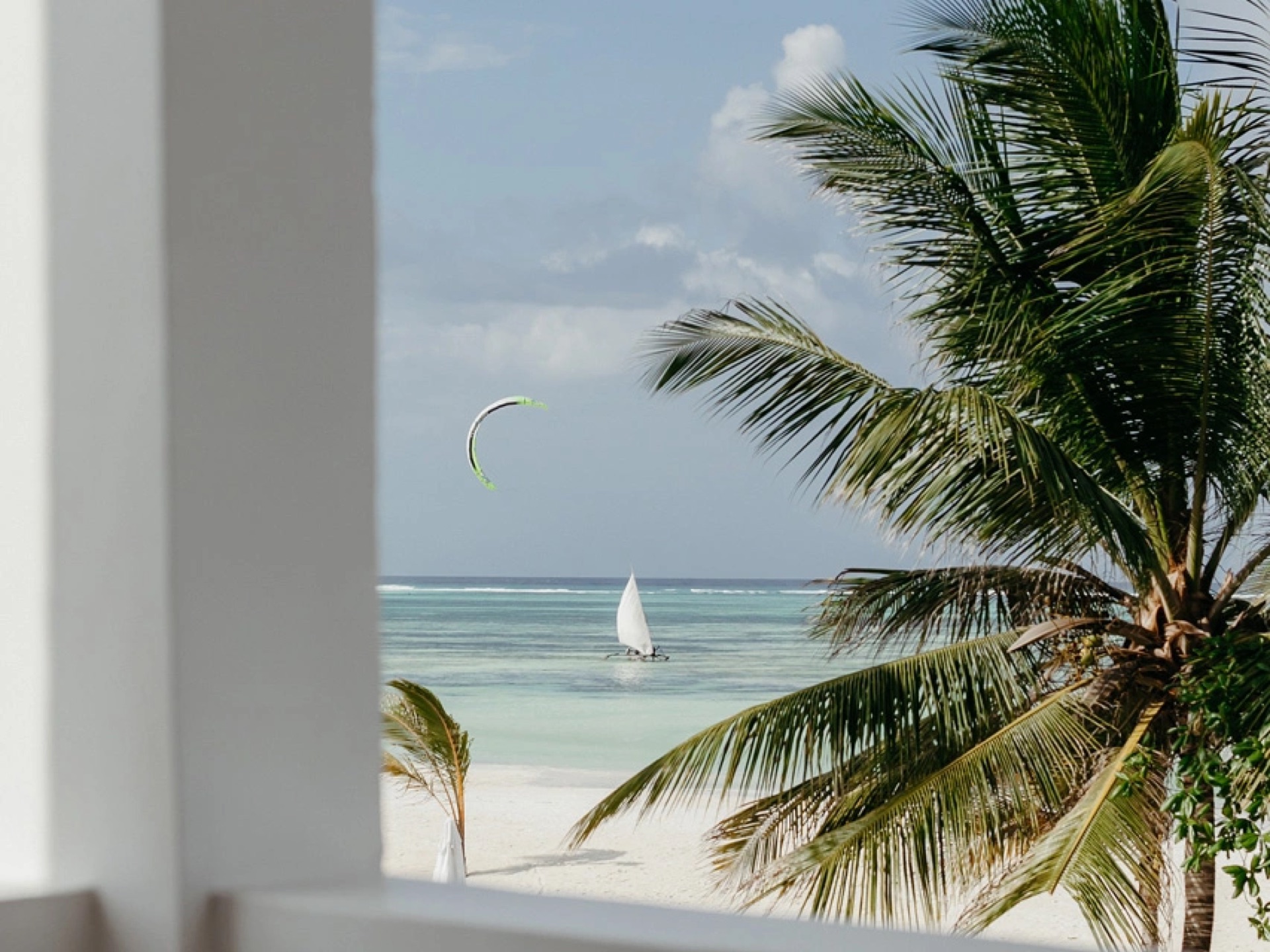
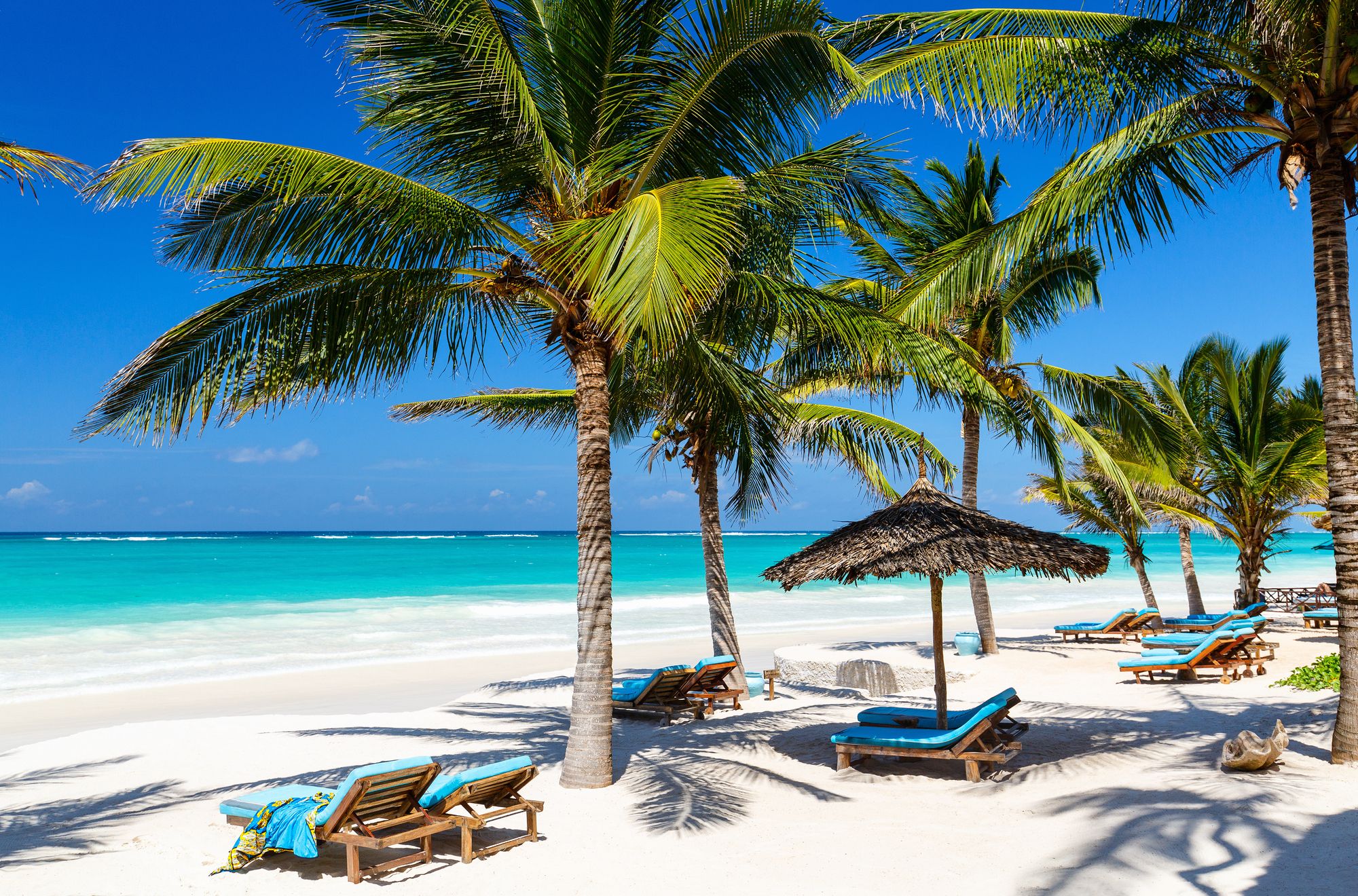
Every photograph of that beach was taken at high water
On much of the east coast the sea retreats several hundred metres and stays out for hours. It is normal, it is genuinely interesting, and it is not swimming — and almost no hotel page says so.
The physical beach
Four things that decide which coast you want
All four are properties of the coastline rather than of any hotel, and no amount spent on a room changes any of them.
The tide
A broad shallow reef flat and a large range mean the waterline moves a very long way. The north is barely affected; the east is affected a great deal.
How it works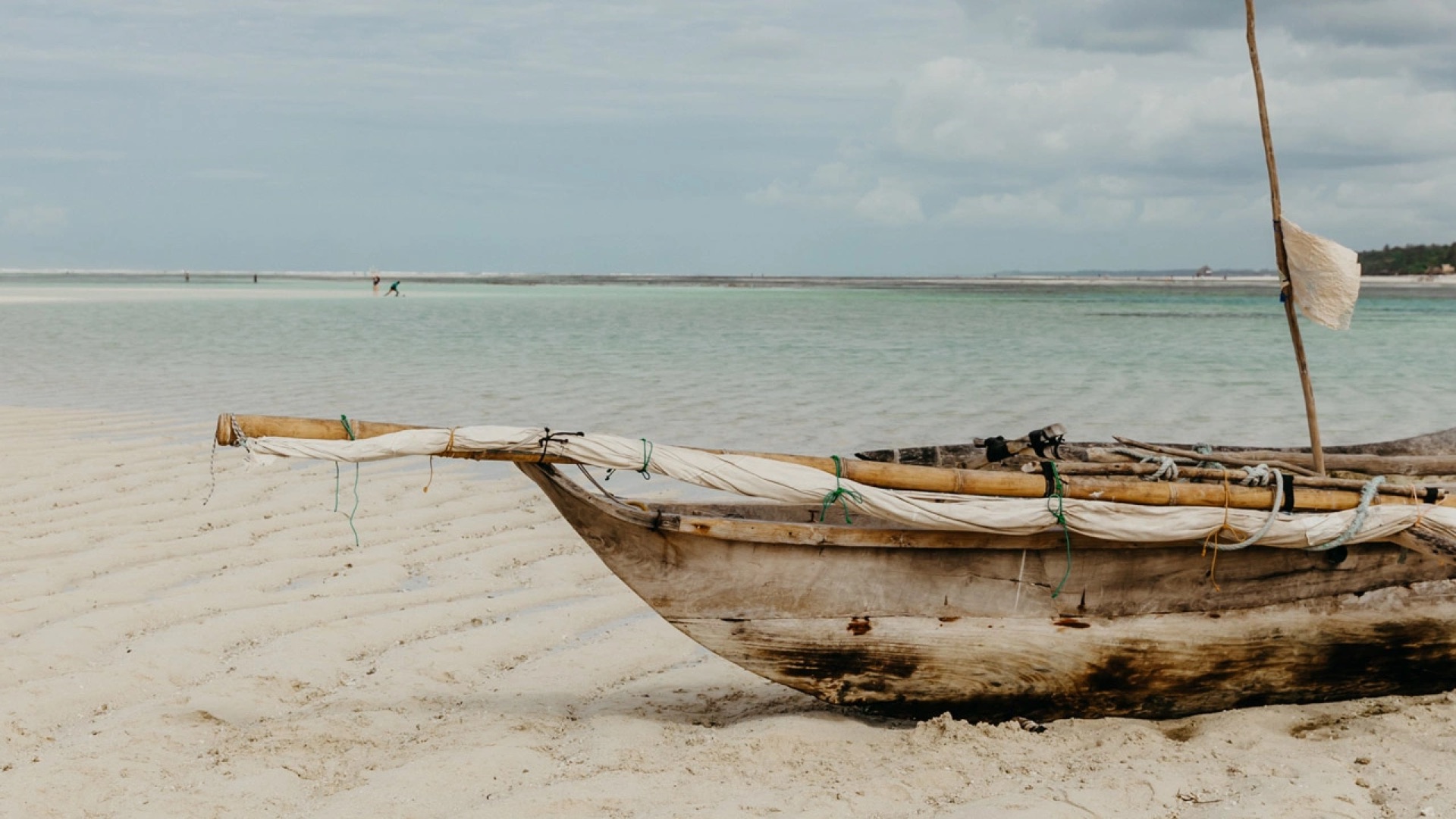
Coast by coast
North, north-east, east and south-east, and the west. Each one is somebody’s favourite and none is being sold here as second best.
All four
Seaweed
Farmed on lines in the shallows, largely by women, and a livelihood rather than a cleaning failure. Plus the seasonal drift weed.
What it is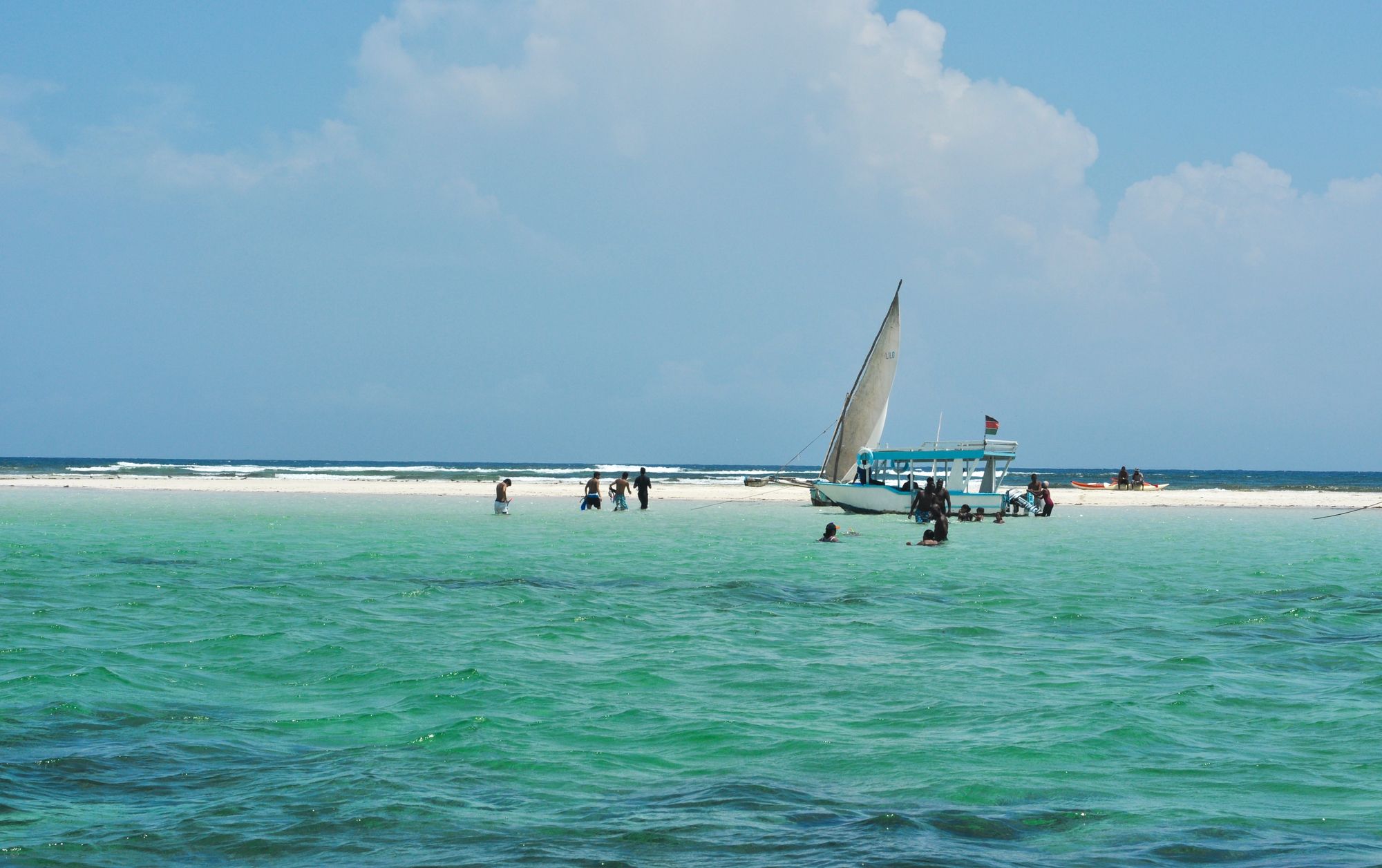
Wind and monsoons
A hotter calm one and a cooler windy one. The windy months make the south-east world-class for kitesurfing and less good for lying down.
Which monthsOne question
Does somebody want to swim in the sea at four in the afternoon?
That single question narrows this island faster than anything else, and it is not one a booking site will ask you.
If the answer is yes — which it is for most honeymooners and nearly all children — the north coast is the straightforward answer, because Nungwi and Kendwa are barely tidal and the sea is there whenever you want it.
If the answer is no, or if you would rather have the reef, the quiet and the better value, the east coast opens up and the tide becomes a rhythm to plan around rather than a problem.
- North — swimmable all day, busiest, the sunsets are on your side
- North-east — quieter and prettier, reef close, moderate to large tides
- East and south-east — wide flats, wind, seaweed farms, best value
- West — sunsets and proximity to Stone Town, less of a classic beach
Free download
The Tide And The Coast
The one paragraph that prevents most Zanzibar disappointment, plus a coast-by-coast description with nothing left out.
- The photograph was taken at high water
- Why the tidal range is so large
- What a reef flat is, and what to do on one
- Coast by coast
- Seaweed, and what it actually is
- The two monsoons
- Which coast in which months
- How to check before you book
No cost, no obligation. We ask for an email so we can send it and, if you want it, follow up once.
Before you ask
Questions about the sand and the water
Can I swim at any time of day?
On the north coast, yes — Nungwi and Kendwa are barely affected by the tide and the sea is there whenever you want it.
On much of the east and south-east, no. At low water the sea can be several hundred metres away across a shallow reef flat, and it stays out for hours. Both are fine; only one of them matches what most people picture.
Is the seaweed a problem?
It is not a fault. Seaweed is farmed on lines and frames in the shallows of the east and south-east coasts, largely by women, and it has been a significant local livelihood for decades.
There is also seasonal drift weed that washes up on some stretches. Hotels rake their own frontage. People told about it beforehand generally find it interesting; people not told are sometimes disappointed.
Which coast for a honeymoon?
The north if you want to swim whenever you feel like it and do not mind a livelier stretch. The north-east if you want quiet, prettier sand and the reef close by, accepting that you plan swimming around the tide.
Both are genuinely good answers. The question that separates them is whether the water needs to be there on demand.
How do I check the tide before booking?
Ask the hotel for the tide times on your dates — any of them can produce it in one email — and ask what low water looks like at that specific property in metres and hours rather than in adjectives.
Guest photographs are more useful than hotel photographs here, because guests photograph the afternoon and hotels photograph high water.
Who actually arranges my safari?
This site is a planning guide. When you send an enquiry it goes to Nomad Africa, our partner travel agency in Kenya, who prepare your itinerary and quote and handle the booking, the payments and you on the ground.
You deal with one team from the first email to the airport transfer home.
Start planning
Tell us how you want to spend the days
Swimming whenever you feel like it, or a reef to walk out on and a kite to fly. Those two answers sit on opposite sides of the island.
Our Zanzibar specialist replies within 24 hours with the coast that suits, what the tide will be doing on your dates, and an itemised price.
- The coast chosen for how you want the days to work
- Tide times for your actual dates, stated up front
- Seaweed and wind described rather than glossed over
- No deposit to see a plan, and no obligation at any point
Who answers
Nomad Africa, our partner travel agency in Nairobi, builds and prices every itinerary we send. You deal with one team, on the ground, for the whole trip.
Founded in 2017 as East Africa’s only dedicated travel magazine, Nomad still publishes — so the people planning your trip are the ones who write about these places for a living.
Get your tailored itinerary and quote
Our Zanzibar specialist replies within 24 hours with a costed plan built around your dates.
More from our Zanzibar guides
Specialist guides across our Zanzibar network
Each of these is a focused guide we publish. Same Zanzibar specialist behind every enquiry.